
|
|
Theory Courses
|
|
|
|
| Click on a course for more details |
|
|
|
Our pass rate is
96%
first time pass rate,
the industry average is 70.3%.
Our ground instructors are
working and flying
commercial helicopter pilots.
|
|
Delivery Methods
|
- In-house (Classroom and Online)
- Distance Education (CD-ROM and Online)
|
Duration
|
Full-time, all 7 subjects takes approximately 8 to 9 weeks.
|
Pre-requisites
|
Prior to sitting the exam you must have sat and passed a BAK (Basic Aeronautical Knowledge) exam with Beckers. We will then endorse your logbook and this must be shown to the examiner.
|
Subjects
|
- Aerodynamics
- Aircraft General Knowledge
- Air Law and Flight Rules
- Meteorology
- Navigation
- Performance and Operations
- Human Factors
|
Exams
|
Here the rubber meets the road and you get a good idea of how prepared you are for the final CASA CPL(H) theory exam. We give you two to three trial exams which are designed to accurately recreate the work load, style and difficulty of exam questions within time restrictions of the actual CASA CPL(H) examinations. This ensures that by the end of the course, you will have had not only considerable tuition and revision of all subjects, but you will also have developed a very good exam technique. Exam technique can be just as important as knowledge of the topic in the limited time given to complete the exams. If you have not passed at least one of these trial exams we will not let you sit the CASA exams. Instead we will work with you some more, until we are more confident in your results.
Final exams are conducted at a CASA approved exam centre. The final exams are carried out online, and are called cyberexams. You sit one exam per subject. For more information about the CASA Cyberexams, refer to the Student Info Pack.
|
Qualification
|
CASA will issue you with a Certificate recording the successful completion of the each exam.
|
Course Dates
|
Dates
Enrol
|
Meteorology
|
Arguably the most likely event to ruin an inadequately planned flight is the weather. To be able to interpret a medium so changeable one needs a very good grasp of the make up of the atmosphere and how it all interacts to provide the daily variations we experience.
As this subject rules our daily lives, it is a very interesting subject from a personal point of view as well as essential to safe flying operations.
After studying the makeup of the atmosphere and looking at Pressure Temperature and Density, we move on to study clouds, motion of the atmosphere, visibility, icing and a multitude of interesting and fascinating topics. Synoptic Analysis, Upper Level Weather and Climatology all add to the extensive understanding we must have of this subject.
|
Flight Rules and
Air Law
|
Where would we be without rules and laws to ensure that we all operate on the same wavelength? We study subjects including Aviation Law, Rules of the Air, Airworthiness, Licensing and Air Traffic Services in this section of the course and this forms a basis for all our flying and ground operations. To know the rules is to know the system and operating within the rules, while not only safe, is peace of mind.
Can you imagine what it would be like if everybody that was flying a helicopter or an airplane did so under their own rules. It is very important that we all understand the rules and regulations so that there can be order in the skies. This makes flying reasonably predictable as you know what to expect from other aircraft and from Air Traffic Services. Having a good grasp of Air Law actually makes you a safer and wiser pilot.
|
Navigation
|
The ability to move over the earth’s surface in a controlled manner arriving at a pre planned destination intact and on time is one of the world’s pleasures. Navigation is an art where following well-established principles will give you the ability to fly anywhere in the world with confidence.
From the wonderful world of Charts and Maps through the mysterious subject of Time Zones we move into the more practical aspects of Navigation covering compasses, Gyros, Radio Navigation, Radar and Route Navigation using Area Nav systems, Radio Nav systems including INS and GPS.
During the course we also look at limitations and errors that these system may have, Weather Radar and the use of ERC charts for navigation and many other types of equipment used in modern navigation.
This is where you learn to get from point A to point B safely and with sufficient fuel. To do this you need to learn how to use your flight navigation computer to calculate your expected ground speed, heading and fuel consumption during a flight and then apply them to plotted positions on aeronautical charts. We will show you different map scales and how to read them and we'll give you some practical tips on how to navigate safely and efficiently.
|
Aircraft General Knowledge
|
For most people, learning about a piston engine is not too hard, as many have had a go on a car at some stage in your life. There are some of us, though, who wouldn't know a piston from a crankcase and for you we will endeavour to bring you up to speed. You will spend revising some stuff you already may know and then showing the differences that exist in helicopter engines. Normally turbine engine training is conducted at a later date when you progress into flying your first turbine powered helicopter or as part of your ATPL theory training. This course also covers hydraulics, airframes, electrical, and other aviation general knowledge questions.
Aircraft Systems includes Flight Controls, Hydraulic Systems, Electrical systems and Fuel systems. Gas Turbine theory and Engine construction is a fascinating subject as is FMS (Flight Management Systems), EFIS (Electronic Flight Instrument Systems) and many more. Some of these subjects we only lightly touch on and other we study to ad nauseum.
Many of these systems will be able to be demonstrated on actual operational machines furthering your understanding.
|
Aerodynamics
(Principles of flight)
|
Mike Loves to call this section Principles of Fright!!! Here is where you gain an understanding of why and how the helicopter flies, what influences control inputs and why the blades continue to turn when the engine has stopped! We also cover other factors which effect helicopter flight and how can you get the best performance from your machine. If you have a good understanding of why your helicopter is flying then in all situations you can get the best from it.
This subject covers a very wide range of topics that are essential in the understanding of how your helicopter operates to ensure safe and efficient flight. Various characteristics of helicopter flight can be safely controlled only when you have an in-depth knowledge and understanding of them.
We will study advanced Aerodynamics, stability, Autorotation and then give you a full understanding of the special aerodynamic effects particular to helicopters.
|
Operations and Performance Planning
|
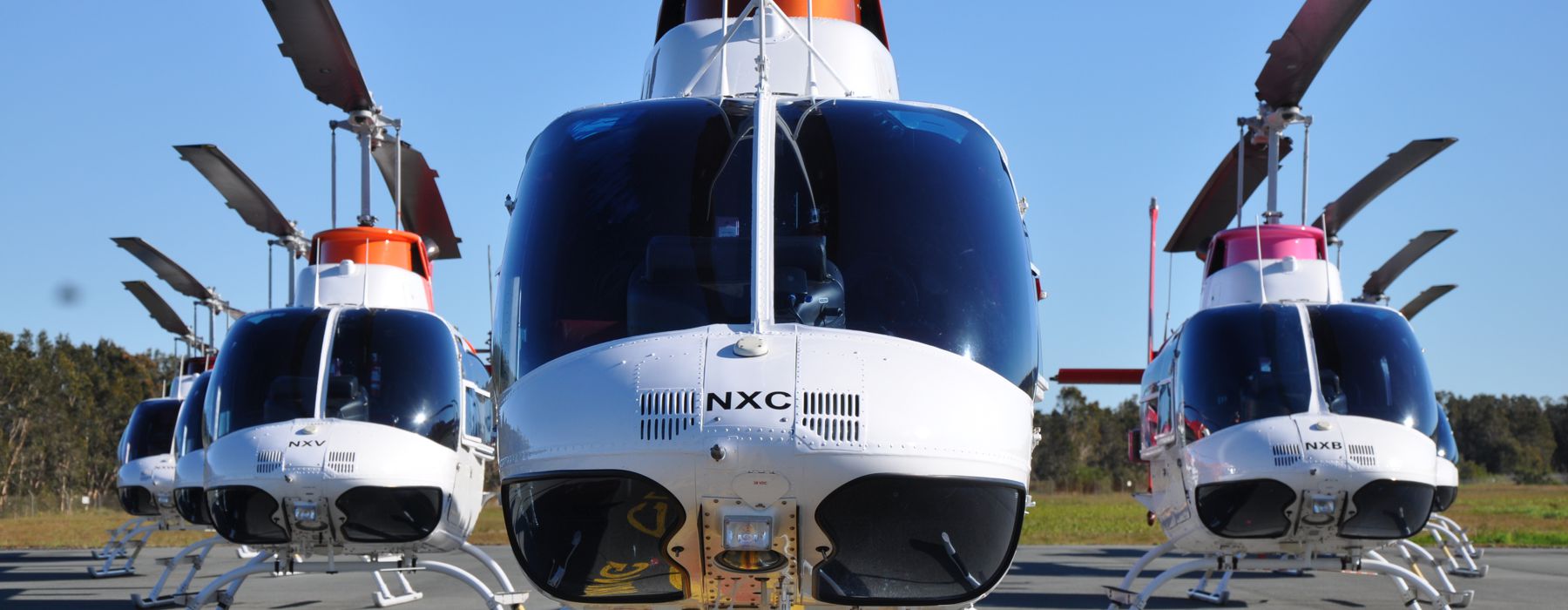
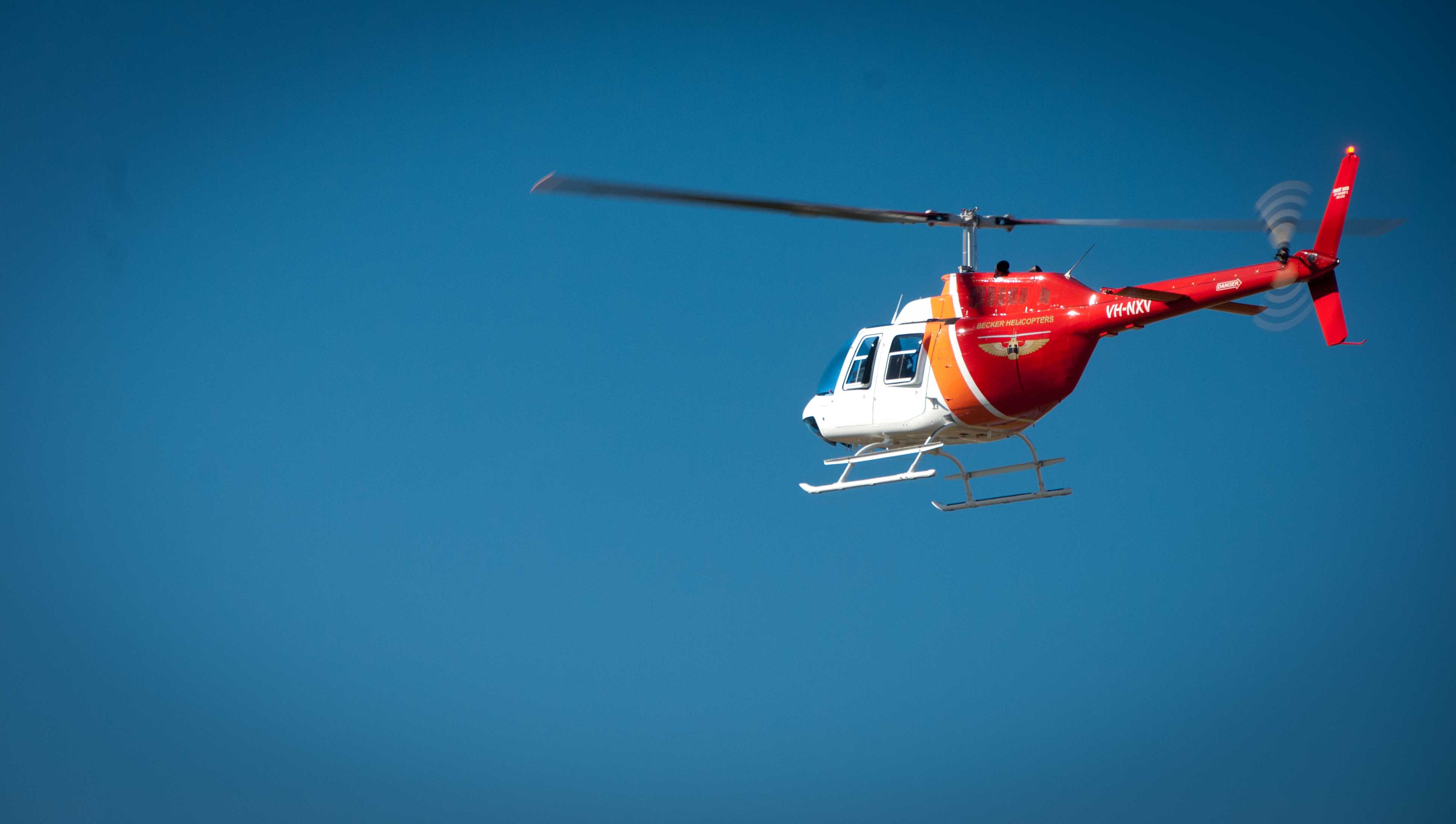
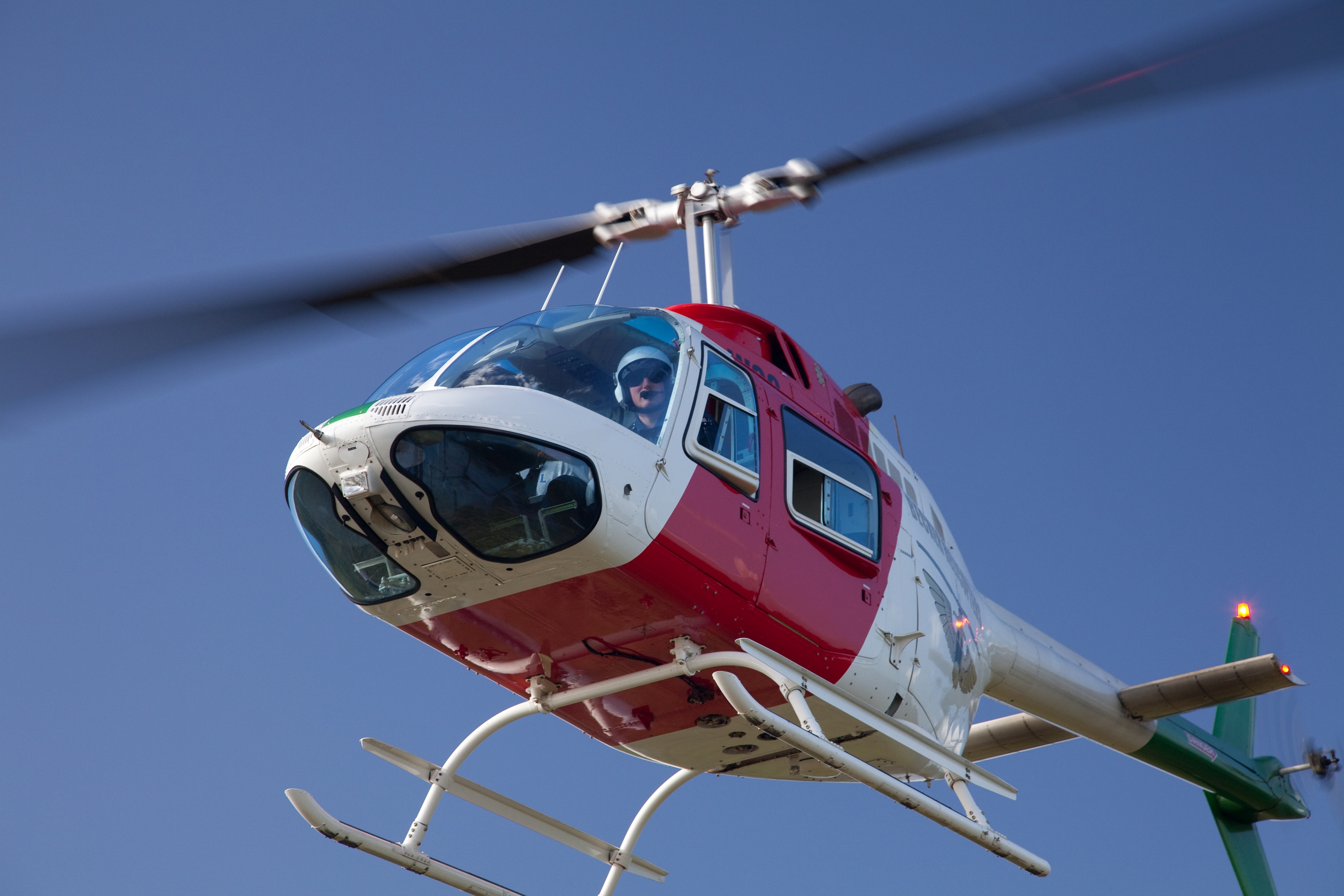
Performance and Operations is based on a Bell Long Ranger, and guess what, we have one on the airfield being utilised by the local Rescue organisation that we have access to and you can have a look at. You will learn how to determine the maximum take-off and landing weights your helicopter can achieve under certain conditions, how fast and how high the machine will fly and how far you can travel with the amount of fuel on board. You will gain knowledge and understand the limitations that apply to flying a helicopter and how to avoid dangerous situations.
Flight Planning is the subject that requires the most meticulous calculations and is also the most satisfying, as there is an absolute truth in the axiom of the 5 P’s “Prior Planning Prevents Poor Performance” This is where it all comes together and we mix elements of Performance, Loading, Flight Planning, Meteorology and Navigation to produce that perfect flight that is well planned, executed, and conducted in a Professional manner that makes it seem routine. Using the Bell 206 Long Ranger as the Generic Helicopter and the Performance Data Manual provided by CASA we will study Weight and Balance, Route selection, fuel planning and many other essential subjects that lead to conducting a successful flight. PNR (Point of No Return) and CP and ETP (Critical Point and Equal time Point) for multi engine helicopters is an interesting exercise using the calculations we have made for the flight. Each step is dependant on a previous step for the correct answer so accuracy is paramount for each stage.
To be able to operate your helicopter to its full potential thereby yielding value for both the operator and the client while operating within the machines limits and conducting safe operations we must have a very sound knowledge of its performance envelope
This course covers calculation of Weight and Balance, 'Category A' takeoff and landing performance and techniques, 'Category B' performance requirements and CAO 20.7.1(B), so that you understand the reasons behind the operational performance standards.
While it is a “dry” subject it is essential knowledge as Cat A performance is very exacting in its execution.
|
Human Factors
|
Knowing how our body works is as important as knowing how our helicopter systems and equipment work. Without an understanding of how our mind and body work, we cannot operate safely in the aviation industry, as it is an unforgiving environment for the uneducated. How well we operate is directly related to how safely the helicopter operates. We are the most important element in any flight. This is another subject which has a personal as well as an aviation element to it and through studying how we behave and process information we can understand others and ourselves. We look at Human Information Processing, Human Behaviour, Attitude Judgment and Decision making as just some of the essential subjects we need to understand for flying safely. Fatigue, Stress and Dehydration are everyday occurrences but can have a very great influence on the conduct of your operations.
Throughout the course, you will have been reading the book "Human Performance and Limitations" We will then spend half a day going over the questions in that book so you gain an understanding of what limits with regards to fatigue, smoking, hearing, sight etc. are placed on you as a pilot. We'll prove to you that a hard night out is going to hurt the next day & remember 8 hours bottle to throttle!!
|
Delivery Methods
|
- In-house (Classroom and Online)
- Distance Education (CD-ROM and Online)
|
Duration
|
Full-time, approximately 2 days.
|
Pre-requisites
|
None.
|
Helicopters
|
Type technical courses are available for the following types:
- Robinson R22
- Robinson R44
- Bell 206BIII
- AS350D
- Agusta !09E/S
- and more on request
For each helicopter that you fly you need to have a good understanding of its systems.
|
Materials
|
Type Technical Course Notes (including Trial Exams)
|
Exams
|
Online multi-choice exam.
|
Qualification
|
On successfully completing the on-line exam, you will be issued with a Certificate.
|
| |
Enrol
|
Delivery Methods
|
- In-house (Classroom and Online)
- Distance Education (CD-ROM and Online)
|
Duration
|
Full-time, approximately 2 days.
|
Pre-requisites
|
None.
|
Subjects
|
Before you do your first endorsement in a turbine helicopter, you must complete a Basic Gas Turbine theory course.
This course covers:
- how the turbine engine works
- problems you can encounter with it
- how to operate a turbine engine and
- what to look out for.
|
Materials
|
Basic Gas Turbine Course Notes (including trial exams).
|
Exams
|
Online multi-choice exam.
|
Qualification
|
On successfully completing the on-line exam, you will be issued with a Certificate.
|
| |
Enrol
|
Delivery Methods
|
In-house (Classroom and Online)
|
Duration
|
1 hour.
|
Pre-requisites
|
None.
|
Content
|
This is an on-line exam covering all topics in the PPL/CPL theory course and is a pre-requisite to you sitting the CASA CPL (H) final exam.
|
Materials
|
None.
|
Exams
|
Online multi-choice exam.
|
Qualification
|
When you pass this exam the Chief Flight Instructor will endorse it in your log book and
this must then be presented to the CASA representative supervising your exam.
|
| |
Enrol
|
Delivery Methods
|
In-house (Classroom and Online)
|
Duration
|
1 hour.
|
Pre-requisites
|
None.
|
Content
|
This is an on-line exam covering topics in the PPL/CPL Air Law theory course and
is a pre-requisite to you going for your first solo.
Because you may go solo before you have finished the PPL/CPL theory,
CASA want to know that you have some knowledge of the law
before you are sent on your own.
|
Materials
|
None.
|
Exams
|
Online multi-choice exam.
|
Qualification
|
When you pass this exam the Chief Flight Instructor will endorse it in your log book and
this must then be presented to the CASA representative supervising your exam.
|
| |
Enrol
|
Delivery Methods
|
- In-house (Classroom and Online)
- Distance Education (CD-ROM and Online)
|
Duration
|
Full-time, approximately 1 day.
|
Pre-requisites
|
None.
|
Content
|
Prior to going solo you need to know how to use the VHF radio and be able to trouble shoot should you have problems with it.
This course covers the theory component of the Flight Radio Operators course, and includes:
- Background on radio signals
- Radio alphabet, numbers, time and phraseology standards
- Radio equipment, operation and troubleshooting
- Standard types of radio calls
|
Materials
|
Flight Radio Text Book.
|
Exams
|
Online multi-choice exam.
|
Qualification
|
On successfully completing the on-line exam, you will be issued with a Certificate.
You will be required to complete a practical radio operators assessment prior to going solo.
|
| |
Enrol
|
Delivery Methods
|
Online only
|
Duration
|
1 hour.
|
Pre-requisites
|
None.
|
Content
|
This is an on-line course and exam are provided by The Australian College of Aviation.
To exercise the privileges of a CPL licence in Australia, every two years you must do or redo a Dangerous Goods course.
|
Materials
|
None.
|
Exam
|
The Dangerous Goods course can be completed here
|
Delivery Methods
|
- In-house (Classroom and Online)
- Distance Education (CD-ROM and Online)
|
Duration
|
Full-time, approximately 2 days.
|
Pre-requisites
|
Must hold a valid Australian PPL or CPL.
|
Subjects
|
- Pilot requirements
- Aircraft requirements
- Airfield requirements
- Human factors
- Pressure instruments, Gyro instruments and the magnetic compass
- Instrument flight and basic instrument manoeuvres
- Navigation aids, and
- Flight planning.
The theory course includes some time on the computer simulator to help introduce instrument flying skills.
|
Materials
|
NVFR Theory Course Notes which includes Trial examinations and answers.
|
Exams
|
Online multi-choice exam.
|
Qualification
|
On successfully completing the on-line exam, you will be issued with a Certificate.
|
| |
Enrol
|
Delivery Methods
|
- In-house (Classroom and Online)
|
Duration
|
Full-time, approximately 3 weeks.
|
Pre-requisites
|
Must hold a valid Australian CPL(H).
|
Course Content
|
The course includes the following topics:
- Instrument Flight
- Basic Instrument Manoeuvres
- Human Factors - Ears, Eyes, Fatigue
- Navigation Aids - NDB, VOR, DEM, GPS, ILS
- Airfield Requirements
- Aircraft Requirements
- Pilot Requirements
- Weather Requirements
- LSALT Requirements
- Alternates and Holding Requirements
- Instrument Approaches
- Instrument Departures
- Instrument Procedures
- Fuel
- Checklists
- Flight Planning
|
Materials
|
Instrument Rating Course Notes.
|
Assessment
|
Online exam.
|
Qualification
|
On successfully completing the on-line exam, you will be issued with a Certificate.
When you successfully complete the requirements of the Instructors Rating the Chief Flight Instructor will endorse it in your log book
|
| |
Enrol
|
Delivery Methods
|
- In-house (Classroom and Online)
|
Duration
|
Full-time, approximately 1 week.
|
Pre-requisites
|
Must hold a valid Australian CPL(H).
|
Course Content
|
The course includes the following topics:
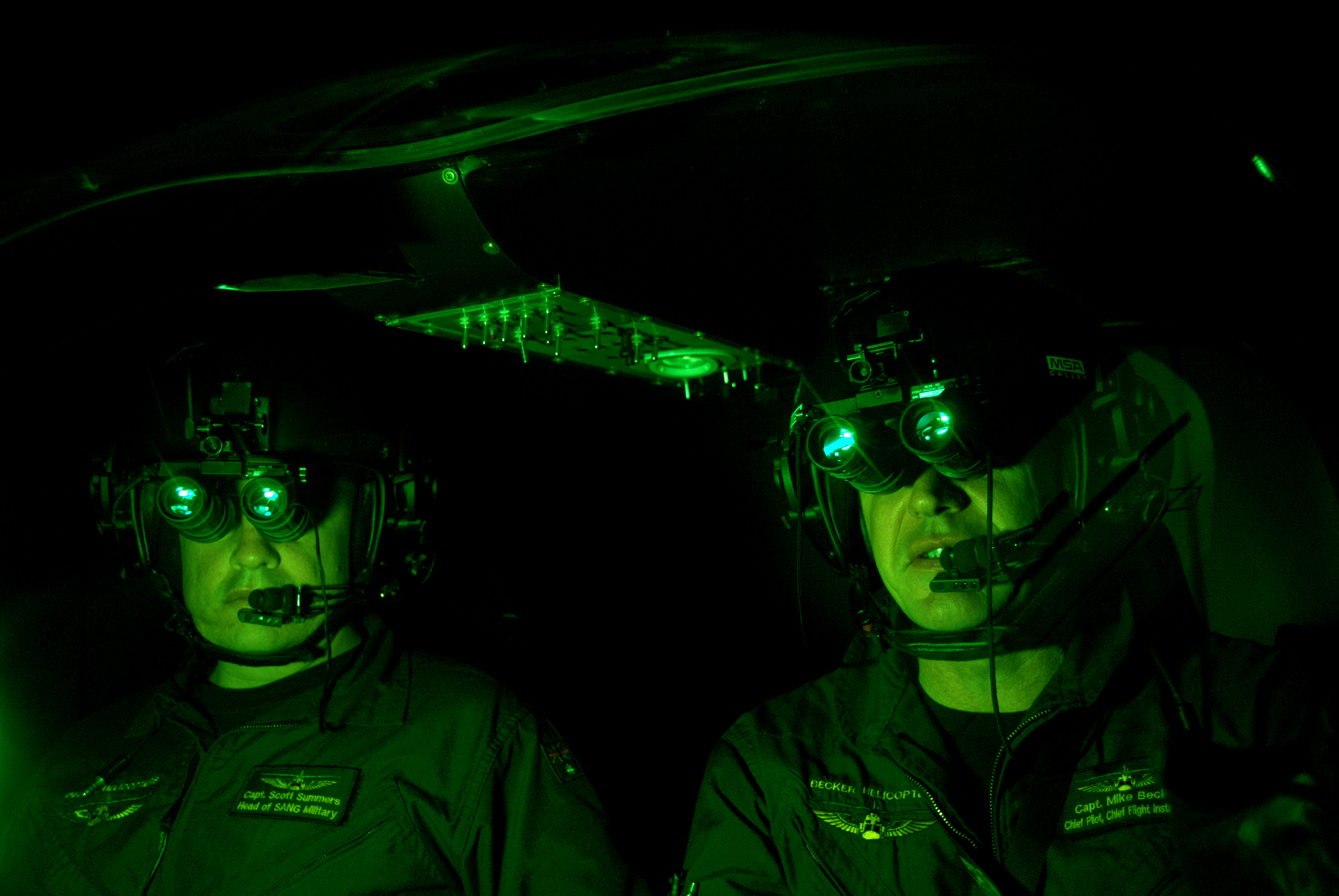
- ANVIS
- Aeromedical
- Rules
- Moon data
- Terrain interpretation and scan techniques
- Crew Management
- Risk Management
- Sortie Planning
|
Materials
|
NVG Course Notes
|
Assessment
|
Written exam
|
Qualification
|
On successfully completing the on-line exam, you will be issued with a Certificate.
|
| |
Enrol
|
Delivery Methods
|
- In-house (Classroom and Online)
|
Duration
|
Full-time, approximately 3 weeks.
|
Pre-requisites
|
Must hold a valid Australian CPL(H).
|
Course Content
|
In Australia a CPL (H) holder cannot become an instructor until they have completed 400 helicopter flight hours and then a 40-hour course of dual instruction. Achieving an instructor rating in Australia is difficult.
The course includes the following topics:
- Syllabus
- The Helicopter Instructor
- Instructor Rating Authority
- The Student
- Division of Responsibilities
- Fundamentals of Instruction
- Teaching Process
- Teaching Methods
- Preparing Lesson Plans
- Preparing Training Aids
|
Materials
|
Material provided included a set of instructor notes, board briefs and training Ls for each exercise.
|
Assessment
|
Practical assessment.
Written exam.
|
Qualification
|
On successfully completing the on-line exam, you will be issued with a Certificate.
When you successfully complete the requirements of the Instructors Rating the Chief Flight Instructor will endorse it in your log book
|
| |
Enrol
|
|
|
|

|
| |
Theory - An important foundation
There is no doubt that doing your flying theory is one of the most important aspects of learning to fly.
Theory should not be thought of as a necessary evil that you just need to get through,
or something that you do at a theory only school first, you would be missing the point.
Good theory instruction paves the way for a good understanding of aviation principles,
which improves your skills in the helicopter and can have a positive affect on your entire career.
|
|
 |
|
In-House Theory vs. Dedicated Theory School
In our opinion, if the flying school you are choosing does not also teach the theory, then they are not serious about teaching you to fly.
We take our theory courses very seriously.
When we first started we used to subcontract the theory to a dedicated theory school.
We found that when the students came to us for the flying,
all they knew was how to pass a theory exam, having learnt questions by rote,
rather than actually learning and understanding the material.
This led to all sorts of problems in the cockpit.
So we decided to teach our own theory with much better results.
|
|
 |
|
Theory Integrated with Flight Training
We believe you will get the most benefit from integrating your theory learning with your flight training.
For example, we would recommend you complete at least 5 hours of helicopter flight time
before you start the commercial helicopter theory (not mandatory, but preferred).
We have found this gives you a better understanding of the new topics you are now beginning to learn.
It also helps to have a helicopter available to look at, play with and fly in during your course.
Think what it would be like teaching someone the theory of how to drive a car and that person had never been in a car before.
Now put that person in a car for several hours then go back to the classroom, imagine the difference in understanding and retention of the information.
This is why we recommend in-house theory integrated with your helicopter flight training.
|
|
 |
|
What is involved?
You will find our courses are fairly intensive as you start at 8am and finish at 5pm five days a week,
not to mention the extra study and revision you will have to do at nights and over the weekend.
Many of our students learn to fly helicopters as a second career, which means many of them have not had to study for several years (mostly 10 or more!).
We completely understand, and have found this not to be a problem. Our detailed notes,
enthusiastic instructors and the constant revision help you learn at your pace and cover every part of the syllabus.
Click here to read what some of our students have to say about our courses.
|
|
 |
|
What is included:
- CASA Commercial Helicopter Theory and Exam subjects:
- Aerodynamics
- Aircraft General Knowledge
- Flight Rules and Air Law
- Meteorology
- Navigation
- Performance and Operations
- Human Factors
- Painstaking attention to CASA syllabus and the CASA cyber exam style of questions (proven by our excellent pass rates!).
- Revision Tests and Trial Exams included
- 2300+ pages of study material
- 600+ diagrams, photos and drawings
|
|
 |
|
Knowledge, Experience and Expertise Captured and Compiled just for you
Our course material contains references to some of the finest Aviation reference books available, and we make no secret of the fact that we did not invent Vortex Ring, nor did we develop the aerodynamic model to explain it. But our material is based on comprehensive research, our explanation will be short and concise, and any questions will be answered quickly and comprehensively.
The strength of this course comes from the people who made it happen. These theory notes have been developed specifically for your students and are constantly being updated. This course is the the collection of knowledge, experience and expertise of many people including:
- Mike Becker (as director, Chief Pilot, Chief Flight Instructor) who originally wrote and continuously edits the course.
- Our instructors past and present
- Sam (a past student and amazing graphic designer) and his amazing graphics
- Our panel of aviation experts who are our advisors and mentors who are or have been an active operational flying member of the Becker Helicopters and International Aviation community.
- The depth and range of experience guiding this program is incredible including an ex Empire Test Pilot, retired NZ CAA personnel, ex CASA Head of Flight Crew Licensing, ex FAA Instructors, University Professors, IFR and EMS pilots operating from Alaska to Antarctica. One panel member has started and operated a privatised version of the Central Flying School for the RAF in UK.
- External Education experts, including a highly qualified Education Specialist with QUT.
- And finally, a mention has to go to Phil Grimmard who pioneered some of the helicopter Flight training theory and inspired many of us to make a course better and more comprehensive than the last.
From this basis of knowledge and experience, all of us who are engaged in this program are dedicated to providing a contemporary, relevant course based on situational awareness and focused not only on passing the exams but preparing you for the flying element by making the course interesting, topical and integrating the theory with real world experience.
Situational awareness is one of the major changes introduced by CASA. It is no longer enough to rote learn and memorise subjects anymore. Using Vortex Ring State as an example, in the old days a definition would suffice. Now you need to know how - and demonstrate how- to get in it: and how to get out of it and how you recognise it.
You can tell good pilots, not only by the way they fly, but by the way they care about their reputation, presentation, aircraft, passengers, fellow crew. It's more than a duty. It's a matter of professional pride. It is attention to detail. It is the desire to learn and to improve. If you possess the above then you are the type of student we want to teach.
There is much more to being a pilot than the ability to operate an aircraft. Prepared in the best possible professional, committed and supportive environment for learning, the successful student be will sought after by the industry who acknowledge the very high standard of students trained through the this system.
If your ambition is to be the best then holding an CPL (H) will open the doors to the jobs that demand professionalism, dedication, discipline. There is much more to Professional flying than holding a qualification. A pilot who has complete confidence in the quality of his training, who has the desire to always keep learning and improving while maintaining the dedication and discipline that got him that qualification has been prepared to achieve through to the top jobs in this very competitive industry.
|
|
 |
|
|
|

|
 |
|
In-house or Distance Education
Currently we have two options for you to do your theory, that is in-house or by Distance Education.
|
|
 |
|
In-house Theory School
|
|
Our in-house courses have proven the most popular and run throughout the year at set times with a dedicated instructor.
The following subject are available through our in-house theory school:
- PPL/CPL Theory
- Basic Gas Turbines (BGT)
- Helicopter type technical
- Flight Radio operator
- Basic Aeronautical Knowledge (BAK)
- Pre-solo Air legislation
- Night VFR Theory
- Instrument Theory
- Night Vision Goggles (NVG) Theory.
In-house Theory Course Dates (Theory Calendar)
|
 |
|
Distance Education
|
|
Through our Distance Education option, you can get a copy of our in-house Commercial Helicopter Theory course notes.
Many people take this option when:
- they are not ready for full flight training, but still want to get started
- are helicopter enthusiasts and are keen to learn more, and finally
- those who want to be prepared when they arrive for flight training.
To successfully complete the CASA Commercial Theory exams, most students will finalise their studies in our in-house theory school, when they arrive to do their full flight training.
Some (very disciplined students) have successfully completed the CASA commercial theory exams based on the materials provided. Most of us, however, need a little help with coaching, explanation of terms and the benefit of time spent in a helicopter, in order to put all the information together and pass the exams.
Please also note that CASA are constantly changing the courses and questions.
This means the information we give you can become out of date quickly,
so we can only offer support on the course for 6 months.
You can purchase the CPL(H) Theory - Distance Education pack from our shop.
CPL(H) Theory - Distance Education - More info...
|
 |
|
|
|
|